Pimples are one of the most common skin issues people experience, yet they are also one of the most disliked. Almost everyone, at some point in their life, deals with pimples or acne. Teenagers often experience them during puberty, but adults are not completely free from the problem either. A pimple might be small, temporary, and medically harmless in most cases, but the emotional reaction people have toward it can be surprisingly strong.
Many people feel uncomfortable, embarrassed, or frustrated when pimples appear on their face or body. But why exactly do people dislike pimples so much? Is it only because of appearance, or are there deeper psychological and social reasons behind it?
This article explores the human side of the problem — why people don’t like pimples, how pimples affect confidence and social interactions, and why the reaction to pimples is often stronger than the problem itself.
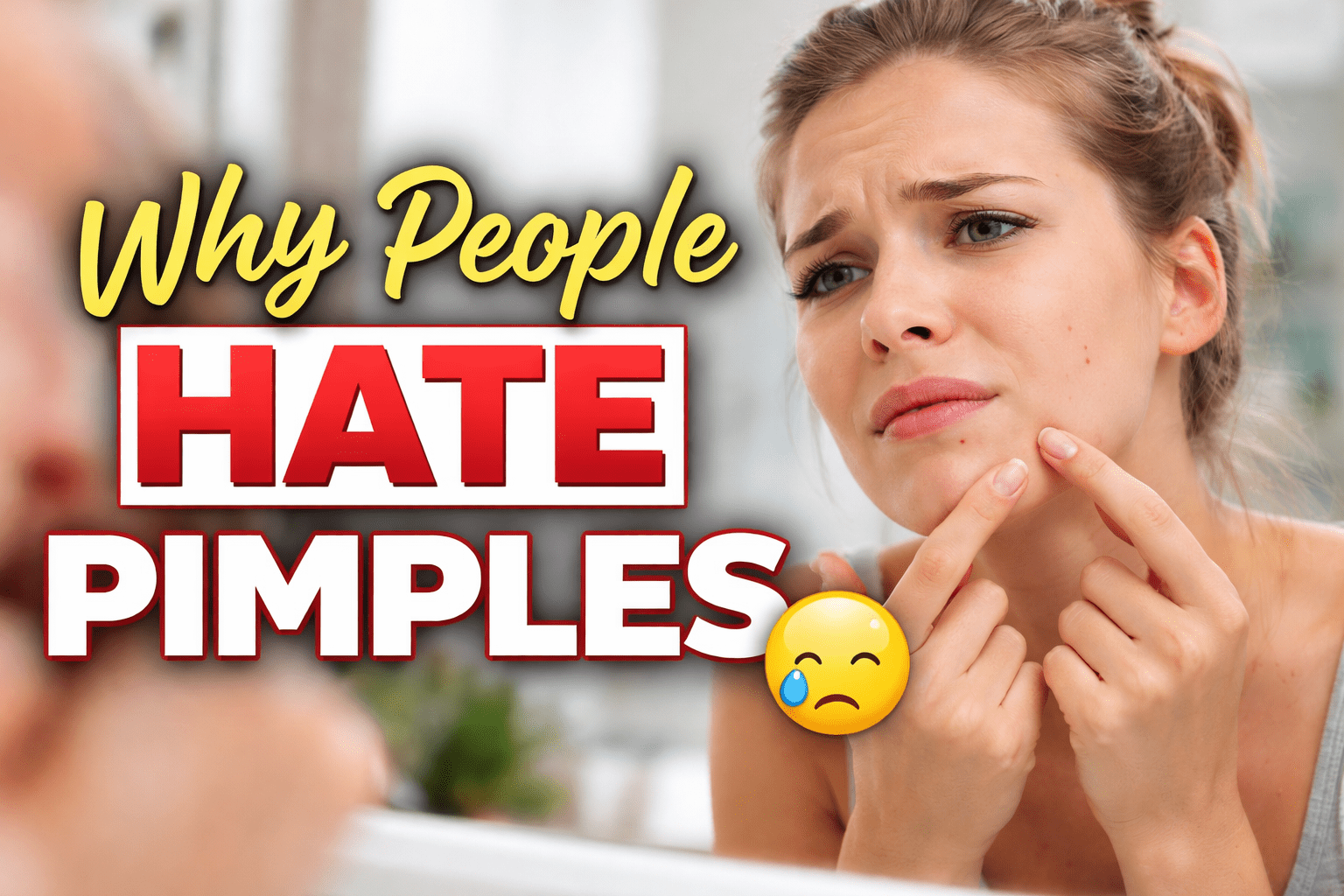
Why People Hate Pimples So Much
Pimples are one of the most common skin problems in the world. People dislike pimples mainly because they affect appearance, confidence, and first impressions. Social pressure for perfect skin and the psychological focus on facial imperfections make pimples feel like a bigger problem than they really are.
Pimples and First Impressions
Human beings naturally notice faces first. When we talk to someone, our eyes usually focus on their face. Because of this, anything unusual on the face becomes more noticeable.
A pimple may be tiny, but when it appears on the nose, forehead, or cheek, it immediately attracts attention. Many people worry that others will notice it right away. Whether that fear is true or not, the thought itself can create discomfort.
In social situations — like meeting new people, attending school, going to work, or even taking photos — people often want to look their best. A pimple can make someone feel like their appearance is not “perfect,” even though perfection is unrealistic.
This concern about first impressions is one of the biggest reasons people dislike pimples.
The Confidence Factor
Confidence plays a big role in how people feel about their appearance. When someone feels confident about their skin, they usually feel more comfortable talking to others, smiling in photos, or participating in social activities.
However, when pimples appear, confidence sometimes drops. People may start thinking things like:
- “Everyone is looking at my face.”
- “This pimple looks huge.”
- “I hope nobody notices it.”
In reality, most people around them probably do not care that much. But the human mind often exaggerates small problems. What looks like a huge issue to the person experiencing it might barely be noticed by others.
Still, this internal worry can make pimples feel like a bigger problem than they really are.
The Role of Social Beauty Standards
Another reason people dislike pimples is because of beauty standards created by society. Movies, advertisements, social media, and magazines often show people with flawless skin.
Many photos online are edited, filtered, or professionally lit. The result is an unrealistic image of “perfect skin.” When people compare their natural skin to those edited images, they may feel dissatisfied.
But the truth is that almost everyone gets pimples sometimes. Even celebrities and influencers deal with acne. The difference is that their photos are often edited or taken during times when their skin looks better.
Because society often promotes clear skin as a beauty ideal, pimples can feel like something negative — even though they are a completely normal part of human biology.
Also Read Why Is Health and Well-Being So Important Today?
Sexual Problems in Men: Understanding Causes
Pimples and Teenage Years
For teenagers, pimples can feel especially frustrating. During puberty, the body goes through many hormonal changes. These changes increase oil production in the skin, which can clog pores and cause acne.
Teenagers are also at a stage in life where appearance and social acceptance feel extremely important. School environments can sometimes make small issues feel bigger because young people may worry about being judged by peers.
A single pimple before an important school event, a photo day, or a social gathering can feel like a disaster — even though it is actually very common.
The emotional impact of pimples during teenage years often shapes how people feel about them later in life.
Physical DiscomfortAlthough appearance is a major reason people dislike pimples, physical discomfort also plays a role. Some pimples can be painful, especially when they become inflamed or swollen.
Large pimples or cystic acne can cause:
- tenderness
- redness
- swelling
- irritation
Touching or accidentally pressing on a painful pimple can make it worse. This physical irritation can make people even more frustrated with them.
In these cases, pimples are not only a cosmetic issue but also a minor health inconvenience.
The Fear of Scars
Another common worry is the possibility of acne scars. When pimples become severe or are picked at repeatedly, they can sometimes leave marks on the skin.
Many people try to avoid pimples because they fear long-term skin damage. This fear often leads people to search for skincare routines, treatments, and home remedies to prevent breakouts.
However, most mild pimples heal naturally without leaving permanent marks. The risk of scars usually increases only when pimples are squeezed aggressively or when acne becomes severe.
Social Media Pressure
In the digital age, social media has increased awareness of appearance. People share photos, videos, and selfies more often than ever before.
Because photos are easily zoomed in and shared widely, some people feel extra pressure to have clear skin. A pimple that might have gone unnoticed years ago can now feel like a bigger issue when someone plans to post pictures online.
Filters and editing tools also create unrealistic expectations. When people see flawless images constantly, they may forget that real skin naturally has pores, texture, and occasional pimples.
This social media pressure can make people dislike pimples even more, even though the problem itself has not changed.
The Psychological Effect of Small Imperfections
Humans naturally focus on imperfections. Even when someone has clear skin overall, one small pimple can draw all their attention.
Psychologists sometimes call this the “spotlight effect.” It means people believe others notice their flaws much more than they actually do.
For example, a person might spend the entire day worrying about a pimple, while the people around them barely notice it.
Understanding this psychological effect can help people realize that pimples often feel worse than they actually appear.
Cultural Attitudes Toward Skin
Different cultures have different attitudes about skin appearance. In many societies, clear skin is associated with cleanliness, health, or attractiveness.
Because of this cultural connection, pimples sometimes carry unnecessary stigma. People might assume that acne is caused by poor hygiene, even though this is usually not true.
Acne is mainly influenced by hormones, genetics, and skin type. Washing the face regularly helps maintain skin health, but pimples can still appear even with good hygiene.
Recognizing that pimples are a natural biological process can reduce the negative stigma around them.
The Temporary Nature of Pimples
One important fact that people often forget is that pimples are temporary. Most pimples disappear within a few days or weeks.
Despite this short lifespan, the emotional reaction to them can be strong. A pimple that lasts only three or four days can still cause several days of frustration.
Learning to see pimples as temporary skin events rather than permanent problems can help reduce stress and anxiety related to them.
Why the Problem Feels Bigger Than It Is
When all these factors combine — social expectations, confidence, appearance concerns, and psychological focus — pimples start to feel like a major issue.
But in reality, pimples are one of the most normal skin conditions in the world. Dermatologists estimate that a large majority of people experience acne at some stage of their life.
In other words, almost everyone deals with the same problem.
The difference is not whether people get pimples, but how they react to them.
A Healthier Perspective on Pimples
Instead of seeing pimples as a personal flaw, it can be more helpful to view them as a normal part of human skin biology.
Healthy habits can help manage pimples, such as:
- maintaining a gentle skincare routine
- avoiding excessive touching or squeezing
- eating a balanced diet
- managing stress levels
- getting enough sleep
However, even with good habits, occasional pimples can still appear. Accepting this reality can make the experience less frustrating.
For people with severe or persistent acne, consulting a dermatologist can provide effective treatment options.
Also Read
Why Health Insurance Is Needed for Everyone
Follow on Google
Conclusion
People dislike pimples for many reasons. They affect appearance, confidence, and sometimes comfort. Social expectations, beauty standards, and psychological factors can make a small skin issue feel much bigger than it really is.
However, pimples are a completely normal part of human life. Almost everyone experiences them at some point, regardless of age, lifestyle, or background.
Understanding the reasons behind our dislike of pimples can help reduce unnecessary stress about them. Instead of focusing on temporary imperfections, it is more helpful to focus on overall health and self-confidence.
At the end of the day, a single pimple does not define a person’s appearance or worth. It is simply a small, temporary reminder that human skin — like the rest of the body — is perfectly imperfect.
Is it normal to get breakouts even if you take good care of your skin?
Yes, it is completely normal. Skin can react to many things such as hormonal changes, stress, diet, weather, or lack of sleep. Even people who follow a proper skincare routine can still experience occasional breakouts. In most cases, these skin issues are temporary and improve with time and gentle care.
Why do small skin imperfections feel bigger than they actually are?
This happens because people naturally focus on their own appearance more than others do. Psychologists call this the “spotlight effect,” where a person feels like everyone is noticing their flaws. In reality, most people around us are usually too busy thinking about themselves to pay much attention to small imperfections.
What is the best way to stay confident when your skin isn’t perfect?
Confidence often comes from how we see ourselves rather than how others see us. Remember that everyone experiences skin problems at some point. Maintaining healthy habits, avoiding constant mirror checking, and focusing on overall well-being can help people feel more comfortable in their own skin.